Small Bathroom Ideas for Space-Smart Design
By Daniel
January 19, 2026
4 min read
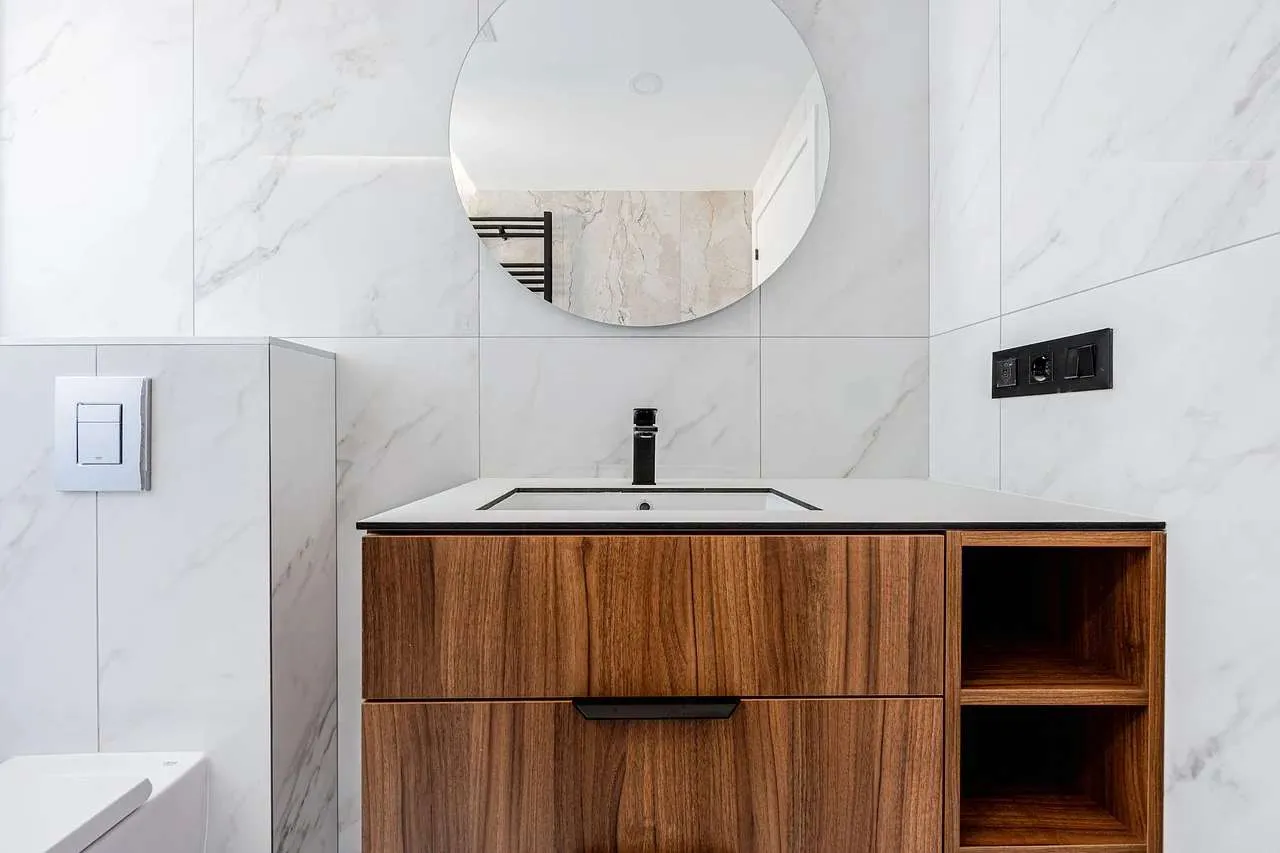
Designing a small bathroom doesn’t require compromising on style or functionality. With space-smart planning, thoughtful storage, and layered lighting, you can create a room that feels larger, stays organized, and remains easy to maintain. This guide offers small bathroom ideas grounded in practical experience and proven design principles, helping you plan with confidence and achieve lasting results.
Space planning basics for small bathrooms
Begin with a precise floor plan. Measure the door swing, toilet clearance, and vanity depth. In many cases, a compact footprint such as 5 by 7 or 5 by 8 feet can be transformed with efficient fixtures and smart placement. Prioritize a clear path and avoid clutter from the moment you enter.
Layout considerations matter. Place the wet zone (shower or tub) away from the entry path, use a back-to-wall toilet to reclaim space, and opt for a compact vanity. If possible, a pocket door or sliding door reduces swing clearance and opens floor space for movement.
Visual tricks: color, tile, and doors
Light colors reflect daylight and visually expand the room. Use large-format tiles to minimize grout lines and a frameless glass shower enclosure to create a seamless look that reads as more open. A bright, cohesive palette ties fixtures and storage together.
Mirrors are a proven illusion-maker. A large mirror or mirrored medicine cabinet doubles reflected light and visually widens the space. Pair mirrors with bright, shadow-minimizing lighting to avoid dark corners.
Storage solutions that work
In tiny baths, every inch counts. Build in niches in the shower, install tall slim cabinets, and select a vanity with efficient drawers rather than bulky doors. Floating vanities create an impression of air beneath the unit, which makes the room feel taller.
Clever cabinet ideas boost organization. Consider recessed medicine cabinets, a vanity with under-sink open space for baskets, and magnetic strips for small metal toiletries. Vertical storage draws the eye upward and increases perceived height.
Fixture choices and layout options
Choose compact fixtures that maximize function without bulk. A corner sink or a back-to-wall toilet can free valuable floor space, while a shallow-depth vanity reduces visual crowding. Wall-hung toilets and slim bowls can also help maintain an airy feel.
Door and partition choices influence flow. A sliding or pocket door minimizes swing space, while a partial glass partition keeps water contained without breaking the openness of the room.
Lighting and ventilation
Humidity control is essential in small bathrooms. A vent fan with humidity-sensing control, combined with natural daylight if available, helps prevent moisture buildup. Layered lighting—ambient ceiling lights, task lighting near mirrors, and under-cabinet accents—creates a welcoming, functional atmosphere.
Budget to high-end plan
Small bathroom ideas cover a spectrum from budget refreshes to premium renovations. Choose moisture-resistant materials—porcelain tile, quartz, and tempered glass—that withstand humidity and daily use. A phased approach, starting with essential upgrades and adding feature details later, can manage costs while delivering meaningful improvements.
Quick comparison of layout options
| Layout Option | Pros | Cons | Ideal Size |
|---|---|---|---|
| Shower with glass door + pedestal sink | Looks open; easy to clean | Can feel cramped with larger fixtures | 5' x 7' |
| Back-to-wall toilet + small vanity + corner shower | Maximizes space; clean lines | Limited counter space | 5' x 8' |
| Pocket door + wall-hung toilet | No swing clearance; airy feel | Higher installation complexity | 4' x 8' or larger |
In practice, the best solution balances comfort, storage, and water control. Always prioritize a clear path of at least 30 inches in front of fixtures and ensure proper ventilation to guard against moisture damage.
Conclusion, applying space planning, layered lighting, smart storage, and compact fixtures creates a small bathroom that feels larger, stays organized, and remains durable over time. With careful material choices and a phased budget, you can achieve a functional, stylish bath that delivers long-term value and satisfaction.